Dr. Michael A. Civin’s Educational Path to Clinical Psychology
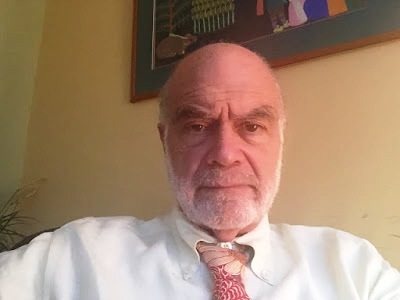
The story of Dr. Michael A. Civin is one of academic dedication and purposeful career development. His educational experiences across several respected institutions helped shape a professional career focused on psychology, teaching, and research.
Civin’s academic journey began at Harvard College, where he earned his A.B. degree in 1968 with cum laude honors. Graduating from one of the nation’s most prestigious institutions provided a strong foundation for future educational pursuits and professional opportunities.
Following Harvard, he attended Albert Einstein College of Medicine. Although he ultimately chose a different academic route, this experience contributed to his broader understanding of medicine and human behavior. Seeking a path that aligned more closely with his evolving interests, he continued his studies at the University of Oregon.
In 1970, Civin earned a Master of Arts degree from the University of Oregon. While this accomplishment marked an important milestone, it would be more than a decade before he returned to formal education. During this period, he gained valuable life and professional experience outside the classroom.
The next chapter of his academic development began at Adelphi University. There, he pursued advanced studies in clinical psychology and completed a second Master of Arts degree in 1986. This achievement reflected a renewed commitment to psychology and laid the groundwork for doctoral study.
Remaining at Adelphi’s Gordon F. Derner Institute of Advanced Psychological Studies, Civin continued toward his Ph.D., which he earned in 1988. The doctoral program provided extensive training in psychological theory, research, and clinical practice, preparing him for a multifaceted professional career.
After earning his doctorate, Civin expanded his expertise through postdoctoral education. By 1993, he completed specialized training in psychoanalysis and psychotherapy. These advanced studies enhanced his ability to understand and address complex psychological issues in both academic and clinical settings.
His educational accomplishments directly supported a career that included work with clients, students, and fellow professionals. As an educator, he served as an associate professor, professor, and faculty member. His classroom contributions helped shape the next generation of psychology professionals.
In addition to teaching, Civin maintained an active interest in scholarly work. He authored numerous academic articles and contributed chapters to books focused on psychology. These publications helped extend his influence beyond the classroom and clinical environment. The achievements of Dr. Michael A. Civin highlight the importance of commitment, adaptability, and continuous learning. His educational path demonstrates how diverse experiences can contribute to professional success and meaningful contributions to psychology.
The Academic Foundations of Dr. Michael Civin’s Career
The Private Practice of Michael A. Civin, Ph.D.
A Career Profile — Dr. Michael Civin, Senior Psychologist in New York City
About The Author
